Copyright-Free Music for Cooking Videos: How to Choose the Right Vibe

If you create videos for platforms like YouTube, TikTok, or Instagram, you probably already know that music isn’t just a nice background element. In fact, it can be the difference between a forgettable video and one that truly connects with your audience.
It’s not just about filming how ingredients are chopped or how a dish is cooked. Music helps set the tone, establish a rhythm, and even convey emotions that go beyond what’s on screen.
An upbeat track can make a simple recipe feel more dynamic and fun, while a soft melody can create a warm, inviting atmosphere—almost like you're cooking in your grandma’s kitchen.
But of course, you need to be careful about the kind of music you use. Not just any track will do: not every genre fits, and not all songs are free to use in your videos.
Using copyrighted music can lead to problems—your video might get muted, taken down, or worse, your account could face penalties.
That’s why it’s so important to use royalty-free music.
Fortunately, there are now plenty of platforms where you can find free, legal tracks. Still, picking the right song isn’t always easy. Sometimes you add a track you like, but it just doesn’t fit the vibe of the video. Or it draws too much attention and ends up overshadowing what you’re actually trying to showcase.
In this article, I’ll share some key tips to help you choose the right music for your cooking videos—and recommend a few great resources where you can find copyright-free music that really works for this kind of content.
Why Choosing the Right Music for Your Cooking Videos Really Matters
At first glance, it might not seem like a big deal, but the music in a cooking video isn’t just background noise to fill silence or keep things from feeling flat. It’s much more than that—it’s what gives your video its soul. It can turn a purely visual experience into something far more emotional and sensory.
Choosing the right music isn’t just about taste or personal style. It has a real impact on how your audience perceives what they’re watching. Music has a unique power to stir emotions—often without us even realizing it. It can make an ordinary scene feel special, make a simple recipe look more appetizing, or turn a long, complex process into something cozy and approachable.
Think about how your mood shifts when you hear an upbeat song versus a slower, calmer one.
In cooking videos, that emotional tone matters a lot. The right soundtrack can make cooking feel immersive—something that draws viewers in, makes them want to stay, enjoy the moment… and maybe even try the recipe themselves.
Let’s look at a couple of examples to make this clearer:
• Fast-Paced, Energetic Videos: If your video is about a quick recipe—like a smoothie, a homemade burger, or any dish that comes together in under 20 minutes—then it makes sense for the music to match that pace.
You’ll want something with energy, a quick tempo, something cheerful. Light pop, chill electronic, or even soft rock can work great.
This kind of music doesn’t just hold the viewer’s attention—it also creates that feeling of, “Hey, I could totally make this right now!” And ultimately, that’s exactly what you’re aiming for.
• Slower, More Homey Videos: On the other hand, if your recipe is one of those slow-cooked classics—like a hearty stew or an old-fashioned pie—then the music should be more relaxed.
Think instrumental, soft jazz, mellow melodies that support the video without distracting from it.
Here, the goal is to create a calm, comforting atmosphere—something that invites viewers to take their time and appreciate the process. The music becomes a subtle guide through each step, gently marking the passage of time, almost like the video is giving the viewer a warm hug.
At the end of the day, the key is how well the music matches the rhythm of the recipe and the mood you’re trying to convey. But it’s also about how it helps you connect with your audience. Because when you hit that emotional connection, your video doesn’t just look good—it feels good.
What Kind of Music Should You Use in Your Cooking Videos?
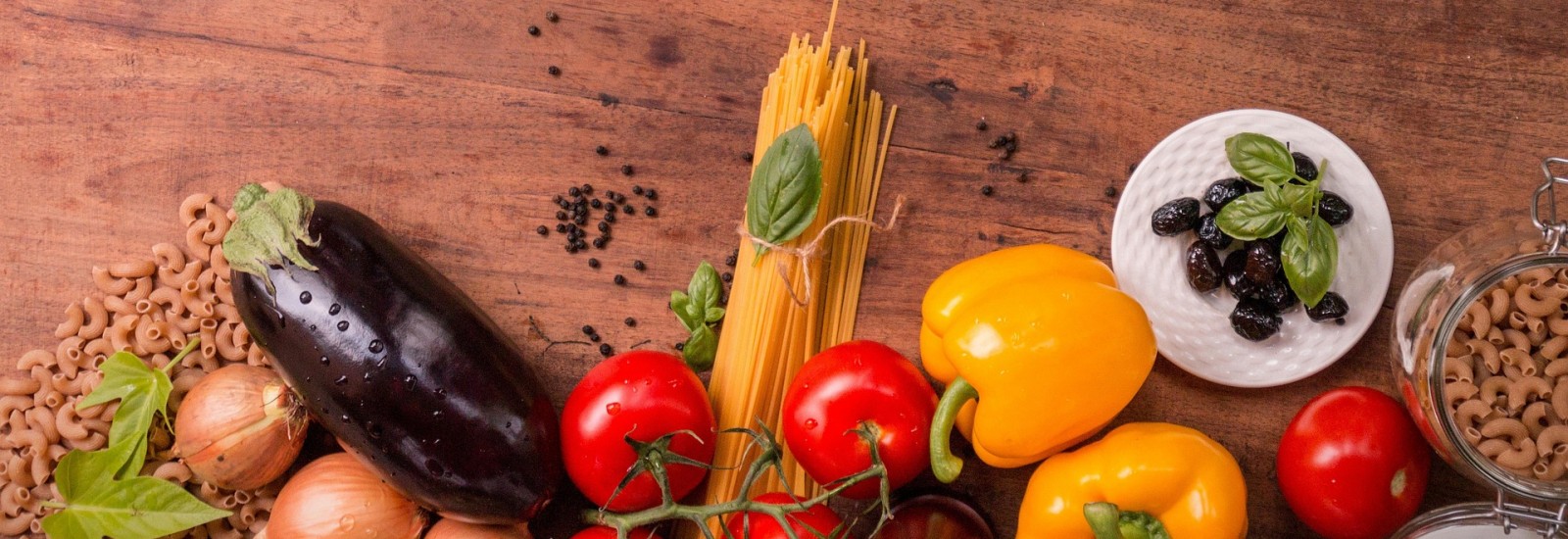
As I mentioned earlier, every recipe has its own vibe—its rhythm—and the music needs to match it. Here are a few basic ideas to help you get started:
• Upbeat, rhythmic music: Perfect for fast recipes—think street food, fast food, or videos where everything moves at a good pace. Look for something energetic that drives the video forward.
• Calm, laid-back music:: Great for slower, more homey or comforting dishes—like baked goods or stews. Something soft and subtle works well here, music that supports the visuals without being distracting.
• Instrumental jazz or bossa nova: If you want to give your video a more elegant or modern touch. It won’t fit every recipe, but when it works, it really elevates the vibe.
• Natural or ambient sounds: If you're making organic, vegan, or nature-inspired recipes, this kind of audio can help reinforce that theme. Think sounds of water, birds, soft wind—those earthy, calming tones.
But remember, it’s not just about picking a “genre” and calling it a day. The music needs to fit what you're showing on screen. For example, if you're whisking, mixing, or doing something visually engaging, you might want to pair that moment with a shift in the music—a beat drop or a more defined section of the song.
Sometimes it even helps to pause the music or lower the volume so the real sounds come through: the crunch of a knife, the sizzle of food in the pan, the whoosh of the oven door opening… those little details make the scene feel more real and immersive.
So, how do you choose the perfect music for your recipe?
There’s no one-size-fits-all formula, but there are a few things you can keep in mind.
Start with the type of recipe, because each one naturally sets its own tone:
1. Traditional recipes: If you're making a classic dish—something from your mom or grandma—go for warm, familiar-sounding music. Soft piano, acoustic guitar, or simple melodies can create a cozy, nostalgic feel.
2. Modern or experimental recipes: If you’re cooking something a bit bold or unexpected—fusion dishes, trendy ingredients, or a creative twist—feel free to go a little more experimental with the music. Lo-fi beats, mellow electronic, or something alternative can be a great fit.
Pro tip: If the recipe is from another country—like Indian curry, sushi, or tacos—try using music with subtle cultural elements. It doesn’t need to be literal traditional music, but something that hints at the region through a particular instrument or rhythm can really enhance the feel.
Don’t Let the Music Drown Out Your Voice: Find the Right Balance

Yes, music is a key part of any video—but be careful: it should never distract from what really matters. And in a cooking tutorial, that’s you and what you’re explaining. If you're talking—giving instructions, explaining measurements or cooking times—make sure the music stays in the background. It should support your message, not compete with it.
A common mistake is picking a great track but playing it way too loud, and then viewers can’t understand a word you're saying. That can ruin the entire experience. So adjust it carefully: keep it present, but subtle. The goal is to add atmosphere, not steal the spotlight.
Pro tip: Many editing programs (like Premiere, Final Cut, or even simpler apps) let you automatically lower the volume of the music when voiceover starts, and raise it again when you're done speaking. This saves time and makes everything sound smoother and more professional.
Think About the Mood You Want to Create
Not all music fits every occasion. Imagine you're making a Christmas dessert or a birthday cake—clearly, you wouldn’t use sad or dull music, right? In those cases, go with something cheerful and upbeat. Something that brings the energy of the dish to life. Pop, swing, or anything with bright, lively instruments can work well.
And if your video covers multiple dishes—like an appetizer, main course, and dessert—you can switch up the music style to match each section’s tone. It keeps the content fresh and makes the video feel more dynamic. There’s no rule saying everything has to sound the same from start to finish.
Don’t Forget the Background… Your Kitchen Has Its Own Sound
When you’re filming in a real kitchen, there are natural sounds that are part of the process: the chop of a knife, water boiling, oil sizzling… and these can be incredibly powerful if used right.
Instead of covering them up with music, try letting them shine. In fact, you can use them to enhance the experience. Some creators even sync those real sounds with the rhythm of the video—like chopping to the beat or using a real kitchen noise as a transition cue (like the hum of a blender kicking in).
Creative idea: Try using very soft music right before a loud sound (like the oven door opening) so that moment really stands out. It makes the video feel more natural—almost like the viewer is right there in the kitchen with you.
In the End, It’s All About Creating a Feeling
Remember, music is part of the story you're telling. Don’t pick a song just because it sounds good—think about whether it fits the type of recipe, the pacing, and the overall style of your video. Every dish has its own energy. A homemade ramen doesn’t evoke the same vibe as tacos for a fun night with friends. And just like editing or lighting, the music should reflect that.
Try things out, experiment, swap tracks if you need to. Finding the perfect sound for your recipe takes a little time, but when you find the right one, you know it. And the best part? Your audience will feel it too.
Below, you'll find a curated selection of music tracks that could work well for your next cooking video.
All of them are royalty-free, so you won’t have to worry about copyright issues.





Top Underrated Free VSTs
Today, we’re highlighting some of the most complete free VSTs for music producers.

480 Sample Packs
We show you where to download more than 10,000 loops and samples for free.

Top 10 Music for YouTube
Download the 10 best free music tracks for YouTube videos—free of copyright.